Berberine for Weight Loss: Benefits, Evidence and What to Know
Berberine for weight loss has become one of the most searched natural weight-management topics, helped by social-media comparisons to GLP-1 medications. But berberine is not a prescription GLP-1 drug, and the evidence is more modest than many viral posts suggest. Human trials do indicate possible effects on body weight, waist circumference, blood sugar, and lipid metabolism, but results vary by dose, duration, and the health of the people being studied.
This guide explains what berberine is, how berberine for weight loss may work, what recent clinical evidence shows, possible side effects, and what to check when comparing a berberine supplement for weight loss with multi-ingredient formulas such as SlimSoda.
What is berberine?
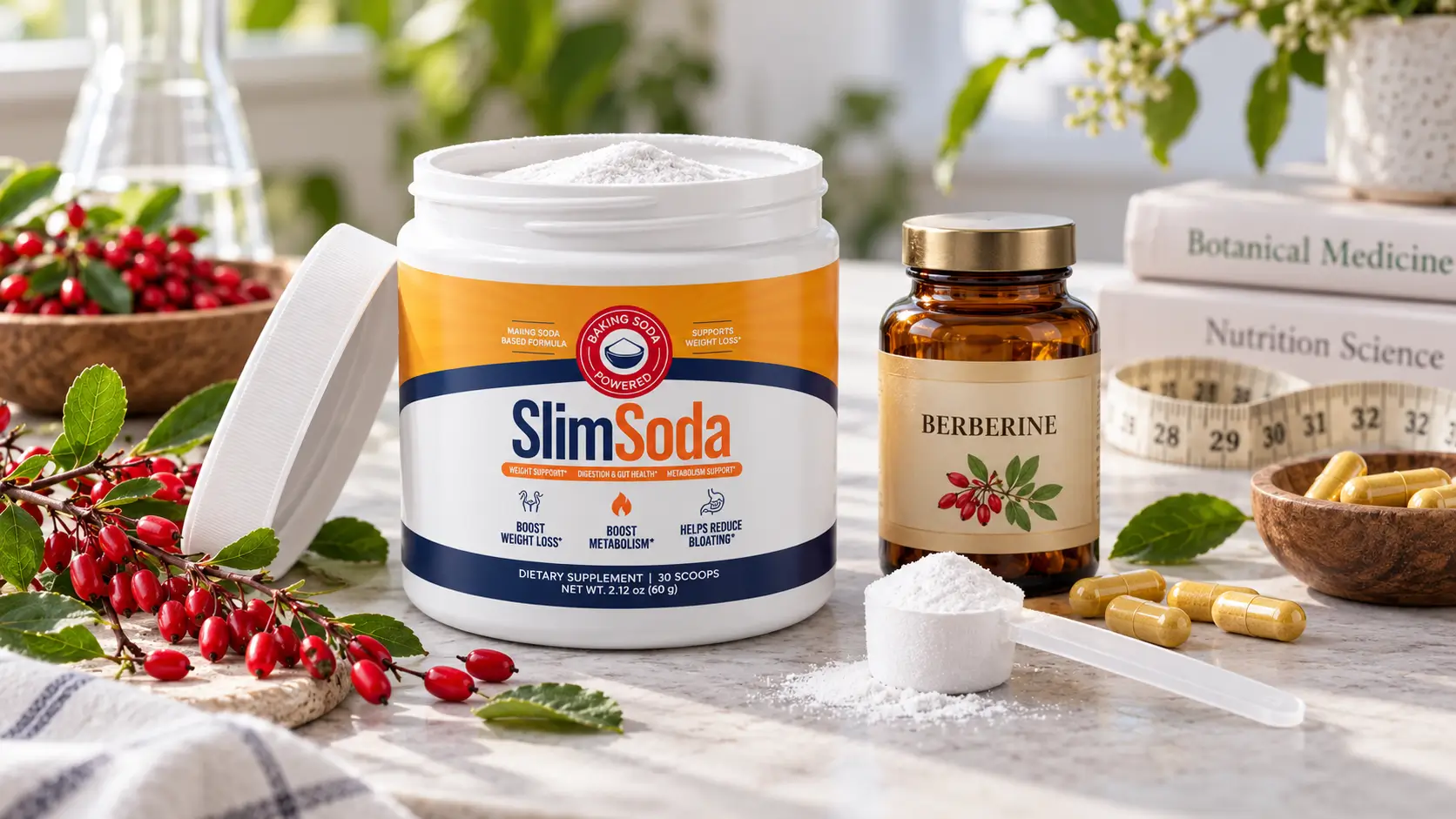
Berberine is a plant alkaloid found in species including barberry, goldenseal, Oregon grape, and tree turmeric. It has a long history of use in traditional medicine and is now widely sold as a dietary supplement. Interest in berberine for weight loss increased as researchers explored its effects on glucose metabolism, insulin sensitivity, lipids, gut signaling, and energy regulation.
The National Center for Complementary and Integrative Health notes that berberine has been studied for metabolic conditions, but also emphasizes that studies differ in formulation and quality. That variability matters when evaluating berberine for weight loss in a commercial supplement.
Does berberine help with weight loss?
Does berberine help with weight loss? The best answer is: possibly, but usually modestly. A 2026 systematic review and meta-analysis of randomized controlled trials found statistically significant reductions in several obesity-related measurements among people taking berberine compared with control groups.
The 2026 meta-analysis included 23 randomized trials in adults and found average improvements in body weight, BMI, and waist circumference. The average effect was far smaller than the losses associated with modern prescription obesity medications. This is why berberine for weight loss should be evaluated as a supplement strategy, not a natural replacement for semaglutide or tirzepatide.
NCCIH reaches a similarly cautious conclusion: some studies suggest effects on weight and BMI, especially with longer use, but many studies have a high risk of bias and inconsistent results. That is important context for anyone considering berberine for weight loss.
How may berberine affect metabolism?
The popularity of berberine for weight loss is partly driven by the fact that berberine interacts with several metabolic pathways. Research has examined AMPK signaling, glucose handling, insulin sensitivity, lipid metabolism, gut microbiota, and intestinal hormone signaling.
AMPK is often described as a cellular energy sensor. Berberine has been studied for its ability to influence this pathway, which may affect how cells use and store energy. Reviews have also examined possible effects on the gut microbiome and GLP-1 secretion. These mechanisms are biologically interesting, but a mechanism alone does not tell us how much weight a person will lose.
Berberine and appetite
Another reason people research berberine for weight loss is appetite support. Review literature suggests that berberine may influence gut signals related to GLP-1, a hormone released after eating that contributes to glucose control and satiety. This proposed pathway is one reason berberine for weight loss is often discussed alongside GLP-1 topics.
That does not make berberine a GLP-1 receptor agonist. Prescription drugs such as semaglutide are engineered to activate GLP-1 receptors for much longer than the body's naturally produced hormone remains active. A supplement that may influence endogenous GLP-1 signaling should not be expected to reproduce the pharmacological effect of those medications.
Berberine and blood sugar
Much of the strongest research supporting berberine for weight loss comes from glucose metabolism rather than weight loss alone. Reviews have reported improvements in blood glucose, insulin resistance, and lipid measurements in people with type 2 diabetes, although study quality and populations vary.
This connection helps explain why berberine for weight loss is frequently discussed as a metabolic supplement. Better glucose regulation may be relevant to overall metabolic health, but improvements in glucose markers do not automatically mean large reductions in body fat.
How much weight do studies show?
Expectations matter. The 2026 meta-analysis on berberine for weight loss found an average reduction in body weight of less than one kilogram across the included randomized trials. Effects on BMI and waist circumference were also modest on average.
Individual trials can show larger or smaller changes. Duration, baseline health, formulation, dose, and adherence all influence the outcome, so a supplement should be judged on the total evidence rather than one dramatic result.
Berberine supplement for weight loss: what format matters?
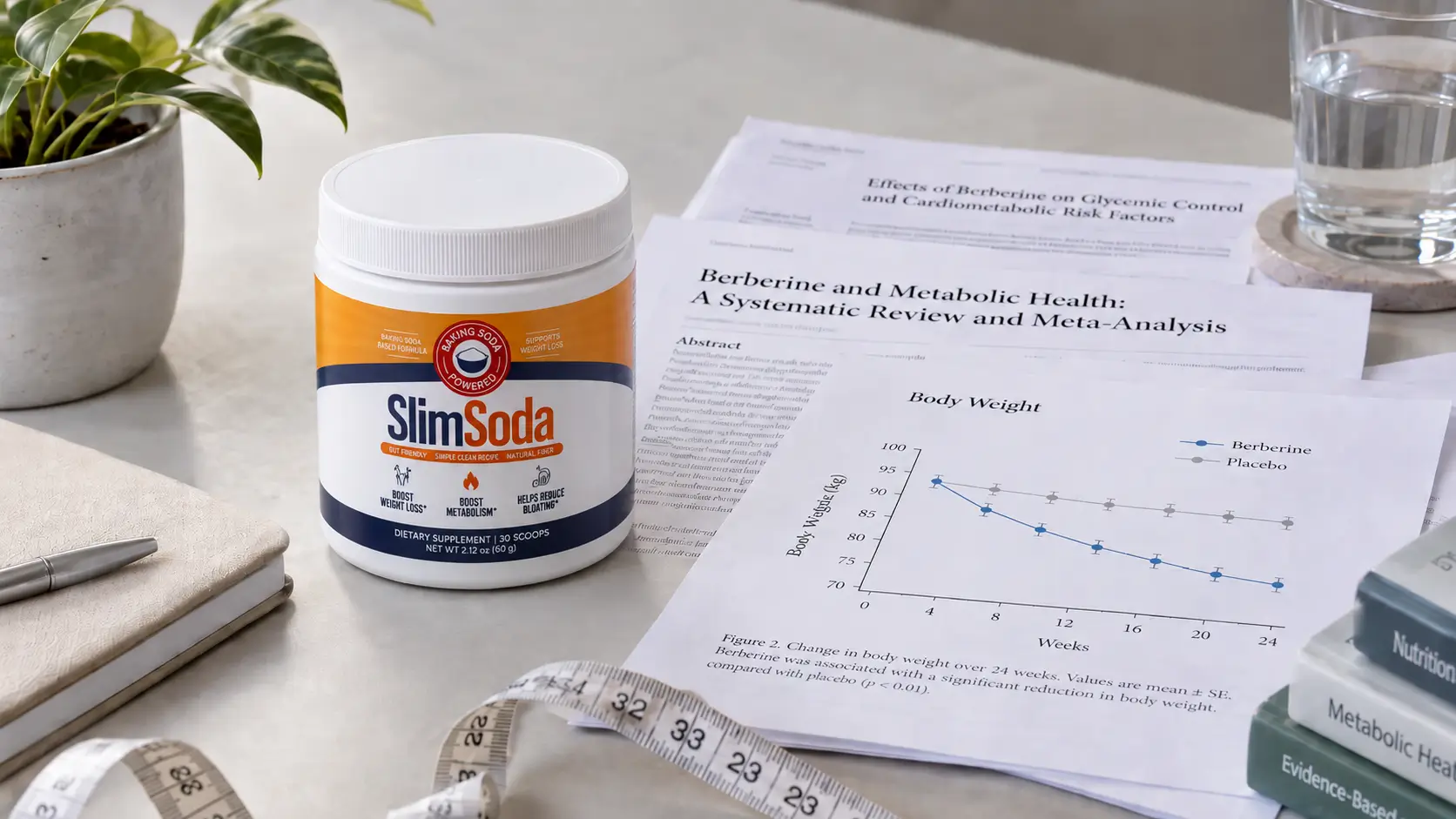
A berberine supplement for weight loss can come as capsules, tablets, powders, or as part of a multi-ingredient blend. The form matters because berberine has relatively poor oral bioavailability, and products may use different salts, delivery systems, or combinations.
When comparing products for berberine for weight loss, check the exact amount per serving, the form used, recommended servings, and whether the finished product has direct testing. Our guide to evaluating weight-management supplements covers those questions in more detail.
Side effects and interactions
Natural does not mean risk-free. Common side effects reported with berberine for weight loss include nausea, abdominal discomfort, bloating, constipation, and diarrhea. Berberine can also interact with medications.
The NCCIH advises people taking medicines to discuss berberine with a healthcare professional and advises against its use during pregnancy or breastfeeding. Because berberine may influence glucose metabolism, anyone taking glucose-lowering medication should be particularly careful about combining products without professional guidance.
Where does SlimSoda fit?
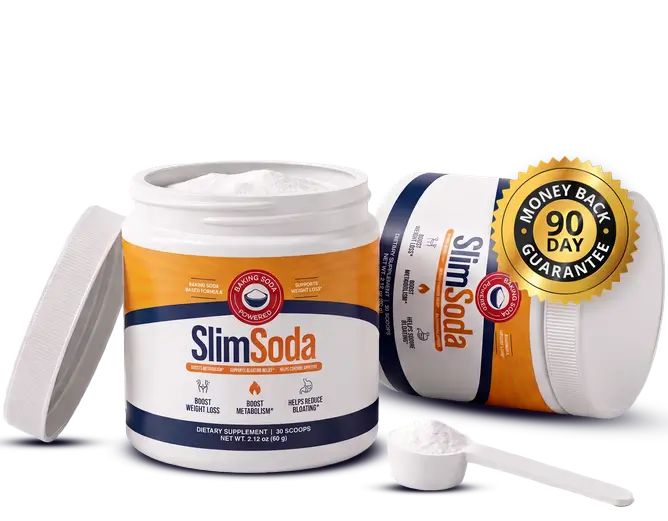
SlimSoda is relevant to the berberine for weight loss conversation because current product materials include berberine as one component of a broader powder formula alongside ingredients such as sodium bicarbonate and ginger extract. That makes it different from a stand-alone berberine capsule.
The advantage of a combined formula is convenience. Evidence for one ingredient, however, cannot automatically be assigned to the finished blend. Our SlimSoda reviews article separates ingredient evidence from product claims.
Is berberine worth considering for weight management?
The evidence makes berberine for weight loss more credible than many viral supplement trends, but expectations should remain realistic. Randomized-trial evidence supports modest changes in weight-related measurements, while stronger research also exists around glucose and lipid metabolism. In other words, berberine for weight loss has evidence worth examining, but not evidence for dramatic guaranteed results.
For someone comparing supplements, berberine may be a reasonable ingredient to investigate. It should not be presented as a natural Ozempic substitute, and it should not replace medical treatment when obesity, diabetes, or another metabolic condition requires professional care.
If you are researching a combined powder rather than a stand-alone supplement, you can compare natural GLP-1 supplements and ingredients next, or review the current SlimSoda formula through our product analysis.
FAQ
Does berberine help with weight loss?
Randomized-trial evidence suggests berberine may produce modest average reductions in body weight, BMI, and waist circumference, but results vary and stronger studies are still needed.
How long does berberine take to work for weight loss?
Trials vary, but NCCIH notes that weight-related effects were seen mainly in studies lasting more than eight weeks and using more than one gram per day. That does not mean those doses are appropriate for everyone.
Is berberine the same as Ozempic?
No. Berberine is a plant-derived supplement ingredient. Ozempic contains semaglutide, a prescription GLP-1 receptor agonist with a different mechanism, dosing system, regulatory status, and evidence base.
What are common berberine side effects?
Reported effects include nausea, abdominal pain, bloating, constipation, and diarrhea. Drug interactions are also possible.
Can I take berberine with other weight-loss supplements?
That depends on the ingredients, dose, medications, and your health status. Check the total amount of overlapping ingredients and discuss combinations with a healthcare professional when appropriate.