How to Evaluate Weight-Management Supplements Before You Buy
Weight-management supplements are easy to market because the promise is simple: less appetite, faster metabolism, better blood-sugar control, or easier fat loss. The harder question is whether a specific product actually has evidence behind its ingredients, uses meaningful doses, discloses its risks, and gives you enough information to make a sensible decision.
This guide explains how to evaluate weight-management supplements without relying on hype, testimonials, or one impressive ingredient study. The goal is to give you a repeatable checklist for comparing berberine capsules, natural GLP-1 formulas, powdered blends, or products like SlimSoda.
1. Start with the exact product, not the marketing category
The first mistake people make with weight-management supplements is evaluating a category instead of a product. Terms like “berberine,” “GLP-1 support,” and “fat burner” can describe very different formulas.
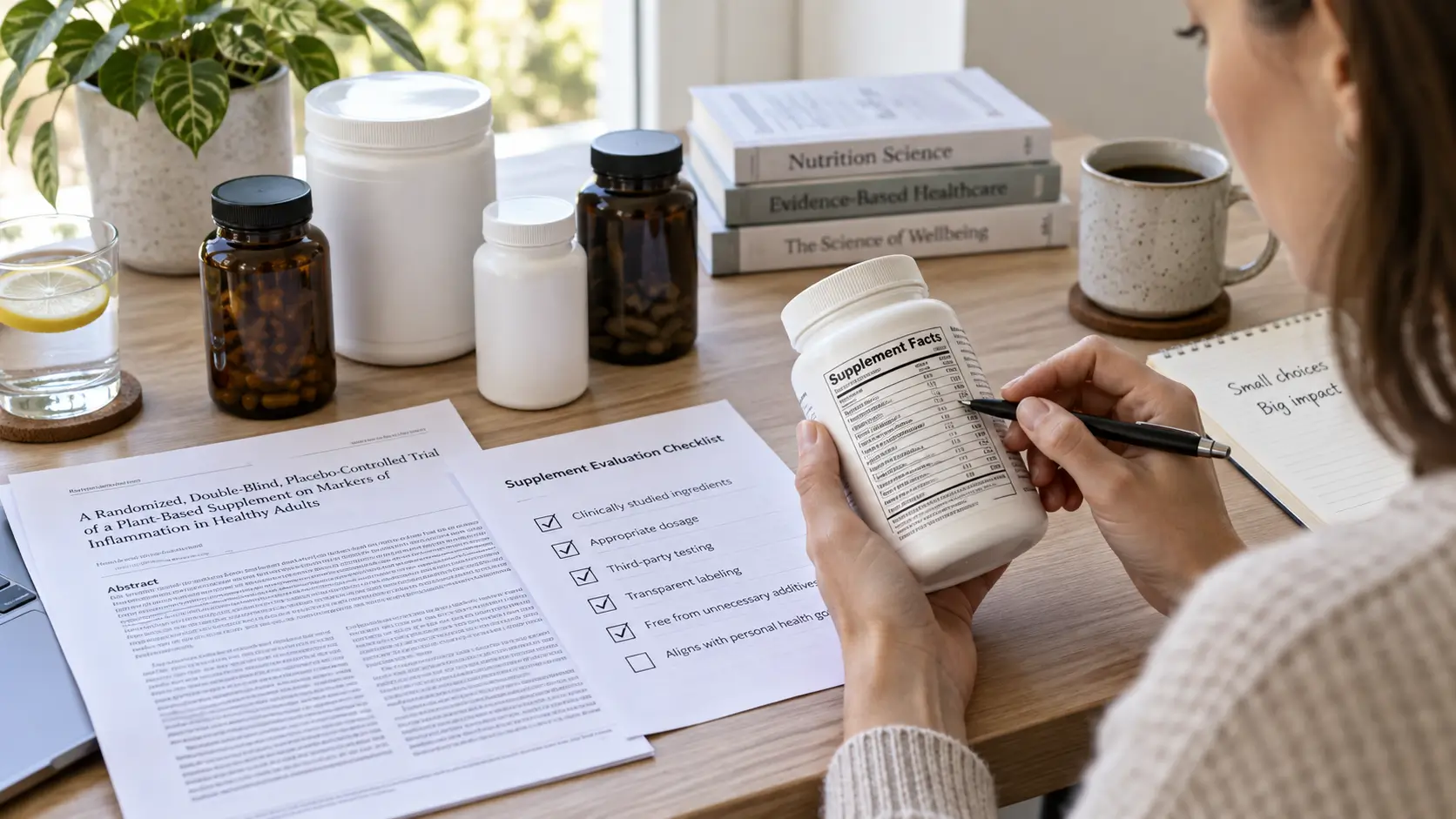
Write down the product name, serving size, ingredient list, amount per serving, recommended frequency, and seller. If those details are hard to find, that is useful information by itself.
2. Read the Supplement Facts panel
For weight-management supplements, the Supplement Facts panel is more important than the front label. Look for the amount of each active ingredient and whether a proprietary blend hides individual doses.
A familiar ingredient name does not tell you whether the amount is similar to what researchers actually studied. A product may advertise berberine prominently, for example, while using a very different dose from the trials cited in its marketing.
The FDA explains that dietary supplements are not approved for safety and effectiveness before they are marketed. That makes label reading and evidence checking more important for consumers, not less.
3. Separate ingredient evidence from product evidence
A clinical trial on one ingredient is not automatically a clinical trial on the finished product. This is a key rule when evaluating weight-management supplements.
If a formula contains berberine, ginger, and fiber, a trial on berberine supports that ingredient under the conditions tested. It does not prove that the commercial blend will produce the same result.
Ask two separate questions: “Is there evidence for these ingredients?” and “Has this finished formula been tested?” A product can have a plausible formula even when the finished blend has not been studied directly.
4. Check whether the dose matches the research
Good weight-management supplements should make it possible to compare the label with the studies being cited. Look at the amount used per day, duration of the study, form of the ingredient, and population tested.
A study in adults with type 2 diabetes does not automatically predict the same outcome in healthy adults, and a standardized extract may not behave like an ordinary kitchen ingredient.
Our berberine for weight loss guide shows this distinction in practice: the ingredient has randomized human data, but average weight changes are much more modest than many social-media claims imply.
5. Look for the strength of the outcome, not just statistical significance
When evaluating weight-management supplements, a result can be statistically significant without being dramatic. Pay attention to the actual difference in pounds, kilograms, BMI, waist circumference, appetite scores, or metabolic markers.
Check whether the study measured the outcome you care about. A change in GLP-1, AMPK, insulin, or gut bacteria can be scientifically interesting without proving meaningful fat loss.
6. Distinguish supplements from prescription medications
This matters especially for weight-management supplements marketed around GLP-1. Prescription GLP-1 receptor agonists such as semaglutide have standardized dosing and large clinical-trial programs. A supplement that may influence the body's natural GLP-1 secretion is not equivalent to a GLP-1 drug.
Our guide to natural GLP-1 supplements explains why ingredients such as fiber, protein, berberine, and ginger may interact with appetite or metabolic pathways without reproducing prescription-drug effects.
7. Review side effects, interactions, and who should avoid it
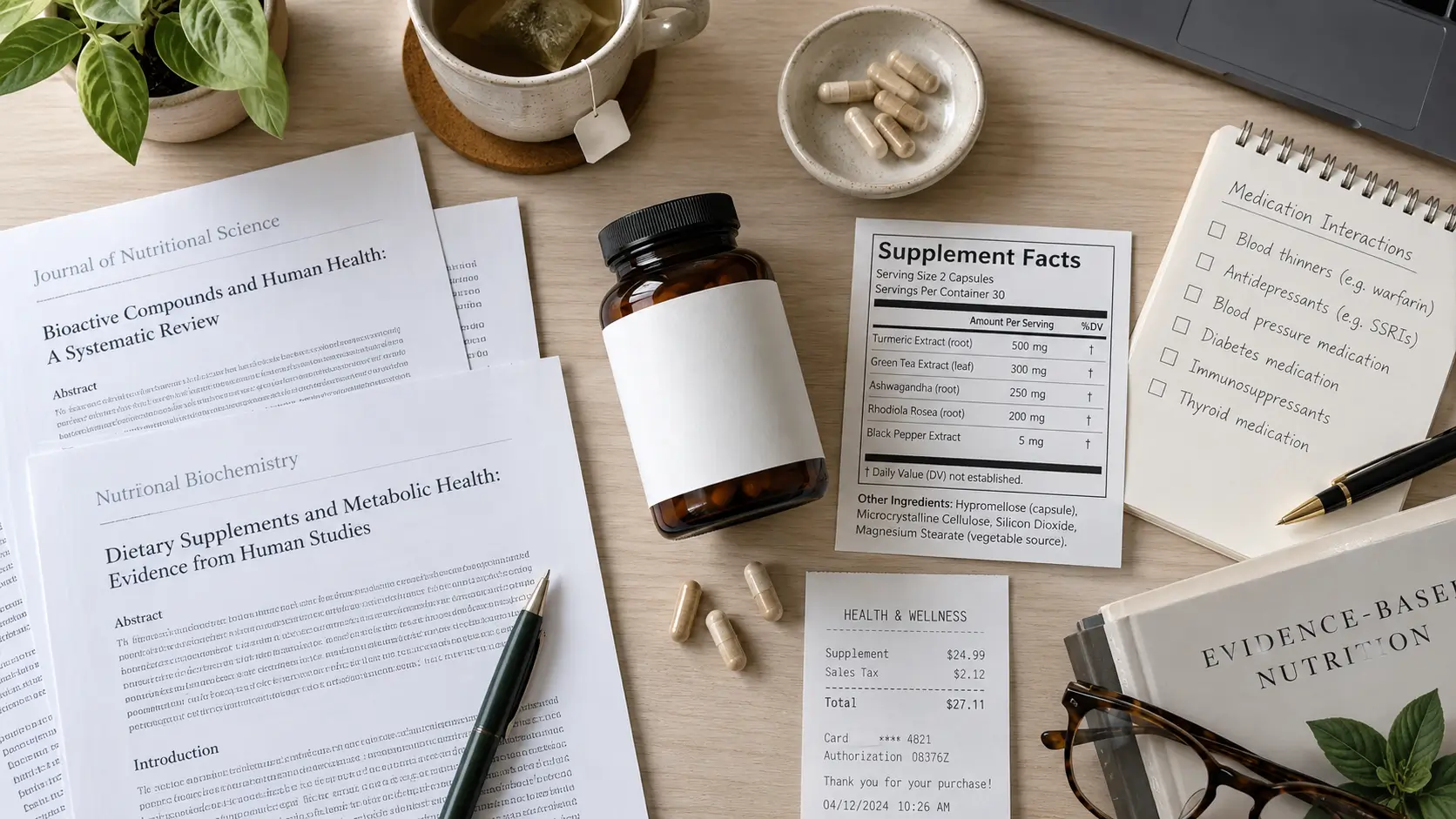
“Natural” does not mean risk-free. The NCCIH warns that dietary supplements can interact with prescription and over-the-counter medicines, and products marketed for weight loss are among the categories where hidden or undeclared compounds have sometimes been found.
When comparing weight-management supplements, search the individual ingredients for known side effects and interactions. Pay particular attention if you take medication for blood sugar, blood pressure, heart conditions, or other chronic diseases.
Pregnancy, breastfeeding, kidney or liver disease, surgery, and sodium restrictions can also change whether a supplement is appropriate.
8. Be skeptical of testimonials and extreme claims
Testimonials can tell you what one person says happened. They cannot establish what typical users of weight-management supplements should expect.
NCCIH recommends caution with exaggerated promises and reminds consumers that testimonials and anecdotes are not the same as objective evidence. Phrases such as “melt fat,” “works without diet or exercise,” “natural Ozempic,” or guaranteed large losses deserve extra scrutiny.
Before-and-after photos deserve the same caution because they can be selectively chosen or impossible to verify.
9. Check who is actually selling the product
Evaluating weight-management supplements also means evaluating the transaction. The website discussing a product may be an affiliate publisher, while another company handles payment, fulfillment, refunds, and support.
Before buying, verify the checkout domain, merchant, total charge, shipping, refund period, and whether the order is one-time or recurring. Our supplement buying checklist covers these steps in detail.
10. Use a simple evidence hierarchy
A useful hierarchy for weight-management supplements is: systematic reviews and meta-analyses first, then randomized trials, observational studies, animal or laboratory studies, and finally testimonials and marketing claims.
The NIH Office of Dietary Supplements notes that many weight-loss products contain multiple ingredients and that manufacturers rarely conduct large, long-term human studies on the finished product. This is why evidence should be graded rather than treated as simply “scientific” or “not scientific.”
How this applies to SlimSoda and similar formulas
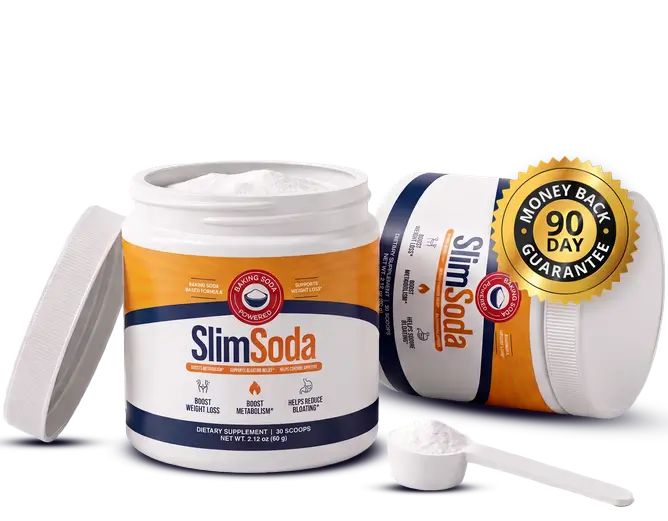
SlimSoda is a useful example of how to evaluate weight-management supplements. Its current materials describe a multi-ingredient powder involving berberine, ginger, sodium bicarbonate, and an NAD+-related component. Some of those ingredients have more human evidence than others, while evidence for an ingredient should not automatically be treated as evidence for the full formula.
If you are researching that product specifically, continue with our SlimSoda reviews analysis. If the baking-soda angle brought you into the topic, our baking soda weight loss guide explains why plain sodium bicarbonate should not be treated as a proven fat-loss strategy.
A five-question checklist before buying
- What exactly is in the product, and at what dose?
- Does the research study the ingredient, the finished formula, or only a theoretical mechanism?
- How large was the actual effect in human trials?
- What side effects, interactions, or contraindications matter?
- Who takes your payment, and what are the refund and renewal terms?
If those answers are hidden behind dramatic claims, countdown timers, or testimonials, that uncertainty should become part of your decision.
FAQ
How can I tell if a weight-management supplement is evidence-based?
Check whether human randomized trials studied the actual ingredient and dose, and whether the finished formula has direct evidence. Systematic reviews and meta-analyses are generally more informative than testimonials or single studies.
Does FDA approve weight-loss supplements before they are sold?
No. FDA does not approve dietary supplements for safety and effectiveness before they are marketed in the same way it approves drugs.
Are natural weight-management supplements automatically safer?
No. Natural ingredients can cause side effects, interact with medications, or be inappropriate for certain medical conditions.
What matters more: the ingredient or the dose?
Both matter. A researched ingredient used at a very different dose or in a different form may not reproduce the results of the study being cited.
Should I trust supplement testimonials?
Testimonials can provide anecdotal information, but they cannot establish typical effectiveness or safety. Give more weight to controlled human research and transparent product information.